Melting the ice

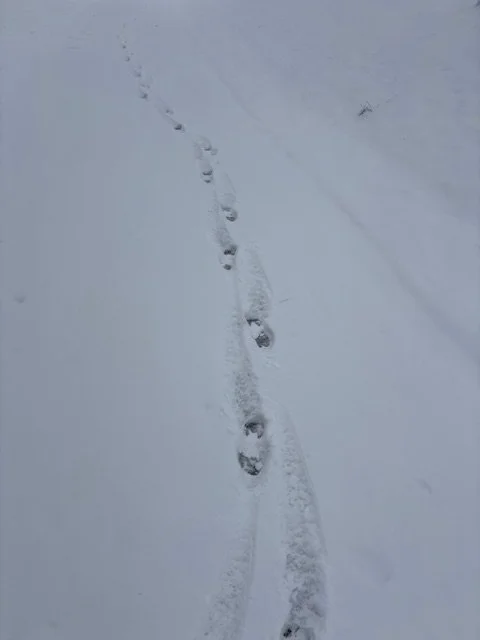
The temperature has dropped sharply in the mountains where I live.  Yesterday the thermometer read 5 when I went out for a walk in the recently fallen snow. I could see a few birds huddled in the shelter of a holly tree, and the tracks of a squirrel.  Otherwise, all was quiet.  The beauty and stillness kept me out longer than I realized, and when I came back inside it took a while for me to thaw out.  First I felt numb, then slowly, as my senses reawakened, there was a painful burning in my skin.

One of the meditations that I practice involves a similar process, an internal process of scanning the body for pockets of numbness or frozen tension. Ice can collect in the hinges of the jaw, in the space between the eyes, behind the navel, between the shoulder blades.  Once identified, we can bring the warmth of the breath to these numb or frozen places, gently inviting the consciousness to re-enter and reintegrate.

“Freeze” is a shorthand description for one of our primary central nervous system responses to real or perceived threat. Going still, quiet, numb, is one way to slip below the radar of a predator.  It’s a survival instinct. And so many of my clients have been describing this response lately, a stillness, a frozenness, a numbness in response to the violence and instability happening in our country.

The American Psychiatric Association, American Psychological Association, and American Counseling Association have all been very clear that the work of therapy is directly impacted by policy. Issues of equity, distribution of resources, and the abuse of human rights are all directly related to mental health, and therefore advocacy on behalf of our clients for social justice, protection from harm, and access to support comprise an important part of our ethical code. And yet often, in the course of my work, a client or supervisee will mention strong feelings or fears regarding changes in U.S. policy, and then quickly shut themselves down, saying “but I shouldn’t talk about politics”.

We are impacted by the contexts in which we are situated. As we all learned during Helene, we rely on so many systems to receive our water, our food, our power. We are not atomistic individuals, we are interdependent organisms within an ecology.  What impacts that ecology impacts us. To exclude that conversation from the therapeutic endeavor would both undermine the work and disproportionately place the burden of change on the shoulders of the client. Yes, it would be inappropriate for me to tell a client what to believe or how to vote.  But as long as the client is leading the conversation, to shut politics out of the room would be a grave error. 

So here we are, in a freeze. What can a person do when their system is completely overwhelmed or numb in the face of complex dynamics over which they have little or no power?

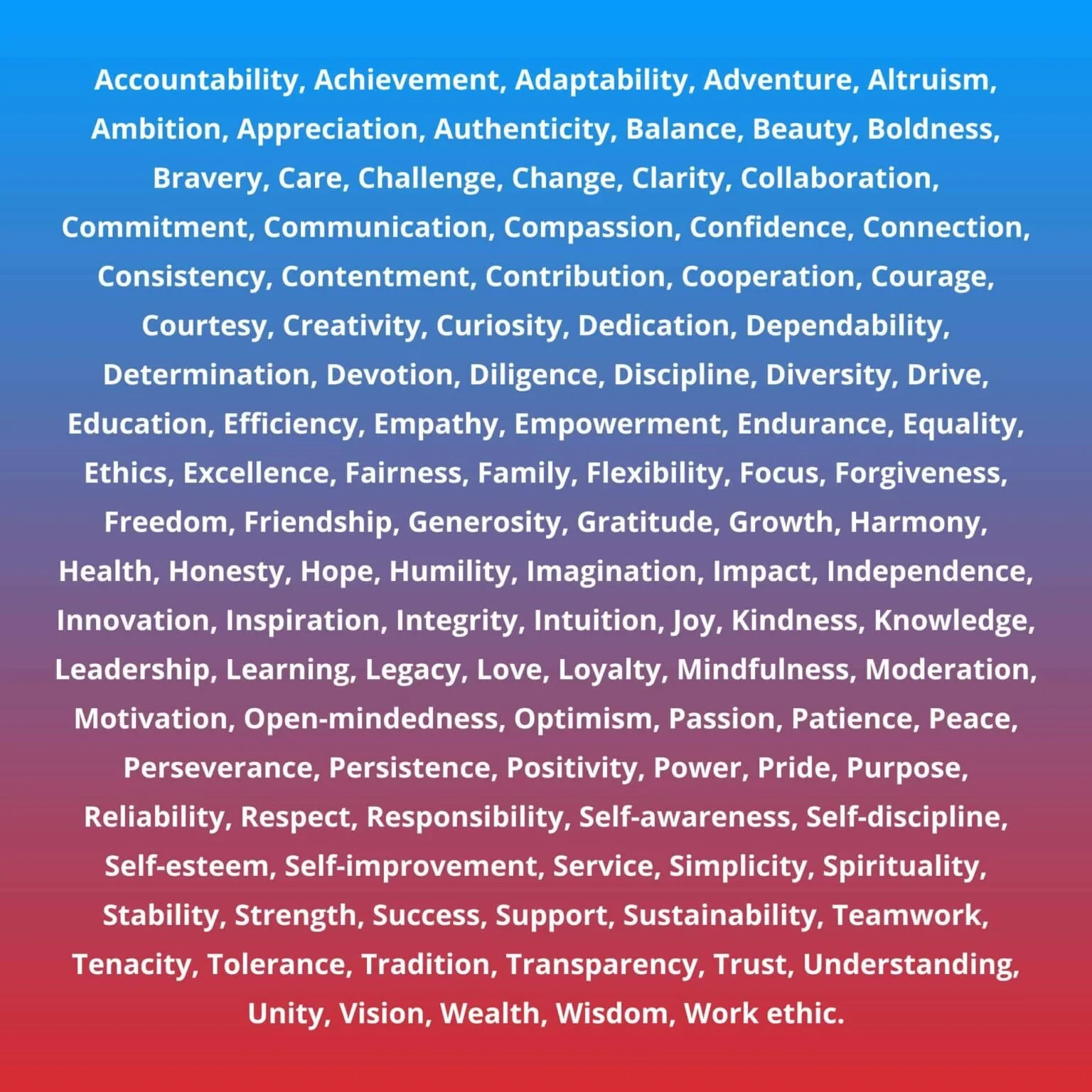
For me, it starts with naming what it is that matters. We only go numb when there is a threat. Name the threat. What is at stake here? Is it compassion? Justice? Safety? Care? Find the values that matter most to you in your reaction to what you see happening. Name three.

Remember that a value is like a compass heading. You never “arrive” at North, but you can head north.  You never “arrive” at compassion, but you can head in that direction. Already this begins to thaw the ice, because I may not be able to ensure justice for all, but I can act justly. There is some room to begin.

If you are physically safe, start by taking in cues of physical safety.  Allow yourself to acknowledge the complex truth that you are safe in this moment and others within your ecosystem are unsafe.  This distinction is important because if you are safe, you can use that regulation to align with your values and behave calmly and clearly in the direction of those values. If you don’t identify your safety, you may find yourself too numb, dissociated, or dysregulated to act on what you know.

Conversely, if you are unable to acknowledge that others in your ecosystem are unsafe, you will distance yourself from the motivation to act for the wellbeing of all. Physical safety is one of our most foundational privileges, and if you have that privilege, you can use it to stay regulated and to think clearly. When we are thinking clearly, we know that it is in our self-interest to act on behalf of the wellbeing of all in this interdependent ecology.

So: breathe, take in cues of physical safety, and let yourself begin to melt any frozenness or numbness in your system.  Notice where in your body you feel dissociated or frozen, and let the warmth of the breath begin to welcome these parts of you back. It may hurt, as thawing does, but continue to breathe slowly and softly and welcome more and more of your consciousness back in. Notice any emotions or sensations that arise as you bring sensation back to the numb parts of yourself.  They may be clues as to why you numbed those parts in the first place, and may need some kindness and consideration as they come back into awareness.

When you feel ready, name the values at stake.  What matters here? What was so painful that you numbed your awareness to cope with it?  Here’s a list of some common values, as a starting point:


If we think about a value as a compass heading, we can create a map that aligns our day-to-day life with these values.  It looks a little like this:  Values -> Priorities -> Goals -> Plans -> Present moment intentions.

Walk each of your three values down this chain and find the level at which you feel you can act on that value today.  We are only human, and there are limits to our energy and time. One of the reasons we freeze or numb out in the first place is the feeling of overwhelm, that we can’t do all of it to the extent we wish to, so we have to numb out. If, instead, we can compassionately acknowledge our limitations, we can identify the places we can act.

For example: if the value at stake for me is kindness, and I feel paralyzed by the unkind treatment of others that I am seeing in the world, it could be that I will freeze and either hide or try to stay unaware of all of the situations that are unfolding an unkind, inhumane way.

Or I could walk this value down.  I can’t ensure kindness for all. I can’t even prioritize that today, let’s say, because I need to take my sick child to the doctor. Perhaps today, I can’t even set goals or plans. But I can intend to respond to everyone I encounter with kindness. On another, better-resourced day, I might be able to prioritize kindness and plan a letter to my representative regarding unkind policies, or set a goal of giving a direct apology to a friend to whom I was unkind. I find the level at which I can engage, and engage. It may burn a little, as it does when we thaw out. But that feeling is the feeling of circulation returning.  It signifies a return of life force.

We are situated within an ecosystem. Just as we rely on many others for our wellbeing, many others rely on us. As each of us does this internal work of melting our icy places, finding the small ways we can act on our values, we tend to the integrity of the entire ecosystem.

 When we do our own inner work, we are acting on the part of the ecosystem over which we have the most agency and power.  Rather than feeling hopeless and powerless at our inability to change the behavior of the most harmful and powerful, we can shift our focus toward bringing our own behavior into alignment with our deepest values. And that allows the beginning of the thaw.   

Next
Next

The Creative Path: A Guided Group Experience in Art, Self-Compassion, and Renewal